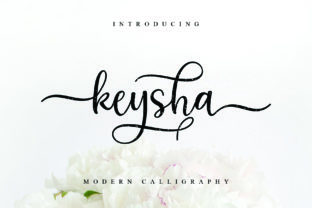
Keysha: A Modern Script Typeface for Web Design
I was staring at a blank hero section for a boutique coaching website when the generic sans-serif I had chosen suddenly felt cold and impersonal. The client wanted warmth, elegance, and a touch of human connection, but the current typography was screaming "corporate template." That is exactly when I discovered Keysha, a beautifully elegant script typeface that instantly transformed the mood of the entire digital layout. As a UI designer, I know that finding the right Fonts can make or break a brand's first impression, and this specific Script Handwritten style offered the perfect balance of sophistication and modern readability.
Why Keysha Elevates Hero Sections and Landing Pages
The moment I applied Keysha to the main headline, the difference in visual hierarchy was immediate and striking. This Script Handwritten font does not just sit on the page; it guides the eye with its fluid strokes and confident curves, making it an ideal choice for high-impact areas like landing page headers. Unlike many decorative fonts that struggle with legibility on large screens, Keysha maintains its structural integrity even when scaled up for a full-width banner. When testing this on a product launch page, I noticed how the fresh and modern look of the typeface created an instant sense of premium quality without needing heavy graphical elements. For any design project requiring a strong emotional hook, using Keysha as the primary display font ensures the message lands with both grace and authority.
Creating Visual Hierarchy with Elegant Script Fonts
In web design, establishing a clear path for the user's eye is critical, and Keysha excels at breaking up blocks of text to create breathing room. By pairing this Script Handwritten style with a clean, neutral body font, you create a dynamic contrast that improves scanning behavior significantly. I found that using Keysha for section titles while keeping the supporting copy in a simple sans serif resulted in a layout that felt organized yet inviting. This combination allows the elegant script to shine as a focal point without overwhelming the reader, proving that Keysha is versatile enough for any design project that demands attention to detail. The font's natural flow mimics the rhythm of human speech, making complex information feel more approachable and digestible for visitors scrolling through a long-form sales page.
Using Keysha for Branding and Digital Identity
When building a digital brand kit, consistency across all touchpoints is non-negotiable, and Keysha provides a unique signature that stands out in a crowded market. Whether designing a logo for a lifestyle blog or creating social media graphics for a fashion brand, this Script Handwritten typeface adds a layer of authenticity that standard geometric fonts simply cannot replicate. I recently used Keysha for a portfolio homepage where the goal was to showcase creativity and personal flair, and the result was a cohesive identity that resonated with potential clients immediately. The versatility of these Fonts means they can adapt to various contexts, from a playful campaign landing page to a sophisticated wedding invitation suite hosted online. Choosing Keysha signals to your audience that you value craftsmanship and aesthetic precision in every pixel.
Enhancing Readability on Mobile and Responsive Layouts
A common concern with script fonts is how they perform on smaller screens, but Keysha has been engineered with modern responsiveness in mind. During my mobile layout tests, I ensured that the x-height and stroke thickness remained clear even on compact smartphone displays, confirming that Keysha is suitable for responsive web design. The fresh and modern look of the typeface prevents the letters from becoming tangled or illegible when viewed at small sizes, which is crucial for call-to-action buttons or short navigation labels. For designers working on course sales pages or app interfaces, knowing that Keysha holds up well under different viewport constraints removes a significant barrier to entry. It proves that a beautiful script typeface can be both functional and stylish, ensuring a seamless experience for users accessing your site on the go.
Strategic Font Pairing for Professional Web Projects
Selecting the right companion typeface is essential to maximize the impact of Keysha within a broader design system. I have found that pairing this Script Handwritten font with a robust sans serif creates a timeless editorial look that works perfectly for blogs and news sites. Alternatively, combining Keysha with a classic serif font can evoke a sense of tradition and trust, ideal for luxury e-commerce stores or professional service websites. The key is to let Keysha handle the emotional weight of headlines and accents while the secondary font manages the informational density of paragraphs. This strategic approach ensures that your Fonts work together harmoniously rather than competing for attention. By carefully curating these pairings, you can craft a digital environment that feels curated, intentional, and deeply engaging for your target audience.
Optimizing Keysha for Buttons and Call-to-Action Areas
While often reserved for headlines, Keysha can also add a unique touch to interactive elements like buttons and micro-copy when used sparingly. In a recent project for a creative agency, I applied Keysha to the "Book Now" button text, which increased the perceived exclusivity of the offer compared to a standard blocky button. However, it is vital to ensure sufficient spacing and background contrast to maintain usability, as Keysha is best suited for short phrases rather than long sentences in clickable areas. This application turns a mundane interface element into a design feature that encourages engagement through visual delight. When implemented correctly, using Keysha in these high-value spots reinforces the brand's personality and makes the user journey feel more personalized and less transactional.
Technical Considerations for Commercial Use
Before integrating Keysha into a live website, it is important to verify the licensing terms and available file formats to ensure smooth deployment. As a professional designer, I always check if the Fonts package includes webfont files (WOFF/WOFF2) for optimal loading speeds and cross-browser compatibility. Understanding the commercial license is equally critical, especially when using Keysha for client projects, online stores, or paid digital products. Ensuring you have the rights to use this Script Handwritten typeface commercially protects both you and your clients from legal issues down the line. Additionally, checking for alternate glyphs or ligatures can provide extra customization options for logos and special branding needs. Taking these technical steps guarantees that your implementation of Keysha is not only beautiful but also robust and legally sound for any design project.
Building Trust Through Premium Typography Choices
Typography is a silent ambassador of your brand, and choosing a premium option like Keysha communicates professionalism and attention to detail. Users subconsciously associate high-quality design with reliability, so deploying a beautifully elegant script typeface can subtly boost conversion rates by enhancing overall brand perception. When I replaced a default system font with Keysha on a coaching website, the feedback from the client highlighted how the site suddenly felt more established and trustworthy. This transformation underscores the power of investing in superior Fonts that align with your brand values. Ultimately, the decision to use Keysha is an investment in the user experience, creating a polished online presence that invites visitors to stay longer and engage more deeply with your content.